


CCTV Power Supplies
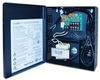
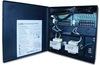
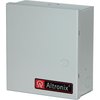
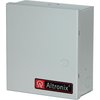
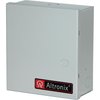
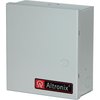
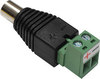
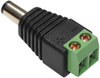
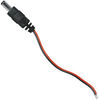
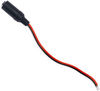
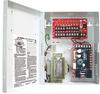
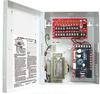
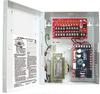
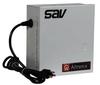
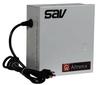
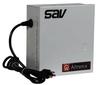
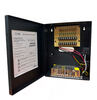
A CCTV power supply is used to deliver power to each security camera in a surveillance system. Most security cameras accept 12VDC or 24VAC power types, so it is important to use the right power supply to power your cameras. We offer multi-camera CCTV power supply units that support 4, 9, and 16 camera systems. We even offer single camera transformers so you can easily power just one camera! All of our CCTV power supplies are built for durability, performance, and long lasting use. Don’t let a poor quality CCTV power supply hinder the performance of your security cameras.
Use the right CCTV Power Supply to power your security cameras!
A CCTV power supply may be the most over-looked and underestimated component of a surveillance system. Many people just do not pay enough attention to the power requirements that their security cameras need to perform. Not all security cameras have the same power requirements. Some security cameras require 12VDC power while some require 24VAC power. But most importantly security cameras need a certain amount amperages or watts to perform at their best.
Determinating the amount of power your security cameras need may be the most challenging part of installing a security camera system. The amount of features a camera has and the quality of the camera will really drive the type and amount of power a camera needs. An infrared camera for example needs very little power in the day to operate. But at night when the Infrared LED lights come on the amount of power a camera needs can almost double. If the infrared camera does not have the power to operate in the day and night, the camera will simply not function and you will see just a dark screen at night. So when designing your surveillance system take a close look at the power type and power mount your cameras needs to function 24/7. These power requirements should be clearly documented on the specifications sheet of your camera. It is important to match the power requirements of your cameras with the power output of your power supply. Multi-camera CCTV power supplies are available in different amperages per output, so make sure you choose the CCTV power supply that provides the amount of power your cameras need.
Another issue when powering cameras is voltage drop. This is a huge issue when using 12VDC security cameras. Each foot a 12VDC current travels it experiences power loss. This means your power current becomes weaker and weaker the farther it has to travel. So for long cable runs in 12VDC applications you could have some serious problems. To combat voltage loss for 12VDC cameras you may have to use a higher amperage power supply or even use a thicker gauge power cable. If those options don’t work than you may have to power the camera locally by putting a separate power supply closer to the cameras mounting location. Voltage drop is much less of an issue with 24VAC cameras. A 24VAC current can travel much longer distances which makes 24VAC cameras much easier to manage.
At Cabling Plus we offer numerous security camera power supply products to support both 12VDC and 24VAC applications. We offer a 4 camera powers supply, 9 camera power supply, and 16 camera power supply in 12VDC type. We also offer the same camera configurations in 24VAC power type. All of our multi-camera power supplies feature durable metal enclosures so you can protect and secure all of your power connections.
Frequently Asked Questions About CCTV Power Supplies - FAQ’s
How does a CCTV power supply work?
No matter what, you need to connect your security cameras to a power source. This could be done using individual transformers or a multi-camera power supply. Like any other electronic device, a security camera needs power to operate and function. A CCTV power supply is designed to send the cameras the amount of power and type of power they need to function properly. Security cameras will accept 12VDC or 24VAC power depending on the camera type you are choosing. So it is important to power your cameras with the voltage type they require. This information is usually well documented in the specifications of every security camera.
Is it best to use a multi-camera power supply?
You really have two options when powering your security cameras. You can put each camera on its own individual transformer or plug-in power switch, or you can use a multi-camera power supply. A multi-camera power supply is much more secure, durable, and offers a much more professional look. Installing numerous transformers on a power strip not only creates a mess, but also does not secure the power of your system. Someone could accidentally unplug a power strip or even unplug an individual camera. This would leave your system not functioning, which would mean it is not securing your home or business.
How many cameras can I put on a multi-camera power supply?
Common multi-camera power supplies are available from 4 to 16 channels. But there are rack-mountable power supplies available that can power up to 32 cameras. Each camera will need its own channel to receive power. So it is up to you to choose the power supply that best supports the number of cameras you are installing in your surveillance system. If you have more than 16 cameras you can simply add another power supply and put both units side by side.
How does my CCTV power supply get power to my security cameras?
Most professional installers usually run two cables to each camera location. One of the cables will be a coaxial cable for video, while the other will be some type of stranded multi-conductor cable use for power. The most common cable used to deliver power to a security camera is an 18-2 security wire. This is why most people use a Siamese CCTV cable when installing their cameras. The Siamese CCTV cable features both the power cable and an RG59 coaxial cable attached together in one easy to install cable. The 18-2 power wire will attach to your camera on one end while at the same time attaching to your power source on the opposite end. This is how the power is delivered to the security camera.
What is the most import aspect of powering my security cameras?
The CCTV power supply might be the most crucial part of a surveillance system. It is important to make sure you match the power requirements of your security cameras with the right power supply. So the first thing for you to do is choose the right voltage type (24VAC or 12VDC) that your cameras need to operate. The second thing is to choose the power supply that is strong enough to deliver the amount of power your cameras need to operate correctly. Most security cameras will provide documentation of how much power they need to operate. So it is important to adequately power your camera or they will not operate correctly.
Will I experience voltage drop when powering my security cameras?
If you are using 12VDC security cameras then you need to take into account that you will have voltage drop or loss. What this means is that for every foot the power travels over the power wire the signal will weaken. Often what happens is that by the time the power signal travels to the cameras there is not enough juice to even power the cameras. So you need to send enough power to the camera so by the time the power reaches the camera location, it is still fulfilling the cameras power requirements. Voltage drop is a huge issue with 12VDC cameras. So it is important to evaluate your cameras power requirements and send the right amount of power to them. If you have a choice, using cameras that accept 24VAC is the best way to get around voltage drop issues. The 24VAC power type can carry power over long cable runs with very little power loss.